
The Child ADHD Assessment Guide
Chapter 7
What actually happens in an assessment
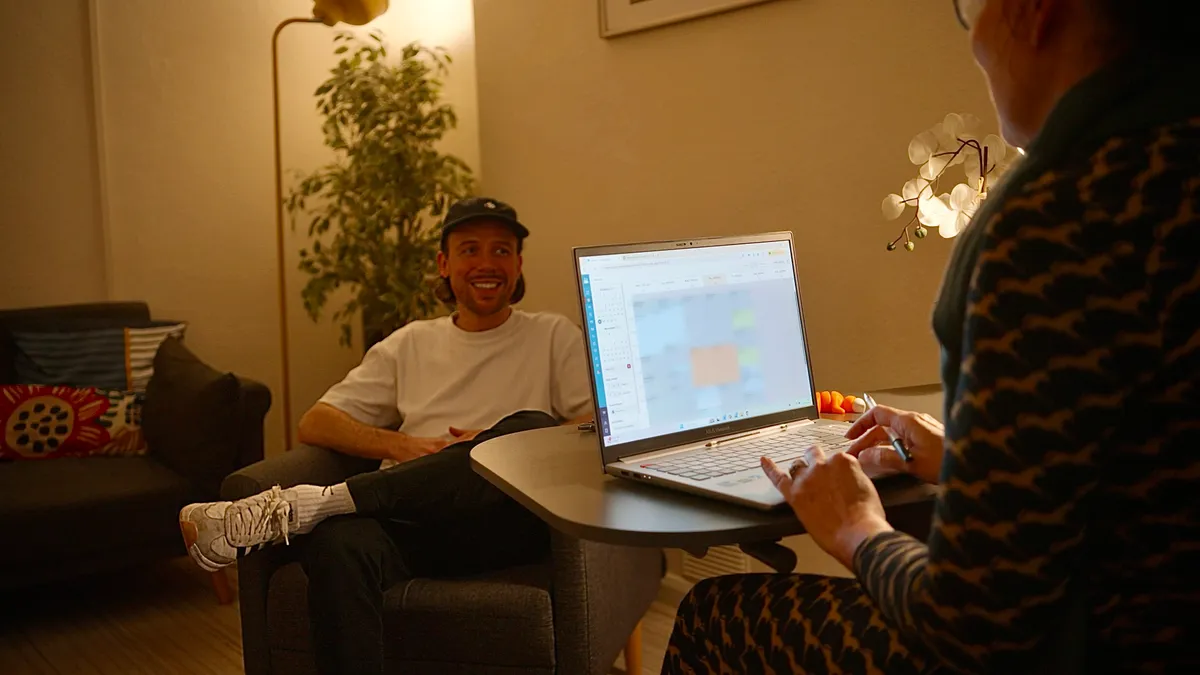
Knowing what happens in a child ADHD assessment takes most of the worry out of it, for you and your child. There is no exam to revise for and no trick questions. It is a structured, unhurried process, supported by validated questionnaires and the views of the people who know your child best, that builds a careful picture of how they think and learn.
Structured, and built around your child
An assessment is methodical on purpose. It follows the same national standard every time, so the conclusion does not rest on one clinician's hunch. That structure is also what makes it feel calm. Much of the work happens through questionnaires completed beforehand, so the time with your child can be unhurried, with breaks whenever they are needed.
Before we meet
You and your child's school complete a set of validated questionnaires, such as the SNAP-IV and the SDQ, completed by parent, by the child themselves from age 11, and by school. Brief mood and sleep measures may be included too.
The clinical interview
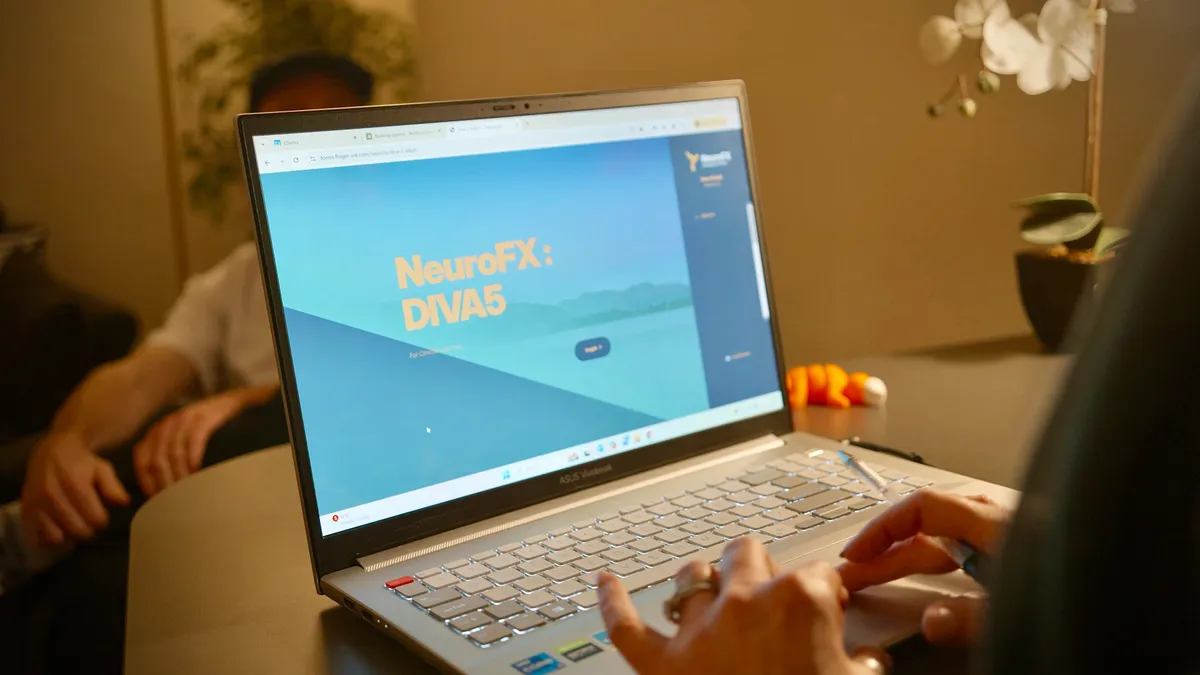
The heart of the assessment is the Young DIVA-5, a semi-structured diagnostic interview designed for children. We set aside 2 to 3 hours, with breaks, to talk through how traits show up now and how they have shown up over time.
Considering the whole picture
We weigh everything together: your account, the school's, the questionnaires, and your child's developmental history. Differential diagnosis is always considered, so other explanations for the difficulties are properly explored, not just ADHD.
Your outcome
You receive a written outcome letter within 48 hours, with the full report following within 14 days, and usually sooner. Getting the results covers this stage in detail.
From first contact to your child's written report, here is the shape of it.
The tools we use, and why
The questionnaires are not box-ticking. Each one is a validated instrument that lets us compare your child's experience against a recognised benchmark, and lets the assessment look at more than ADHD alone.
- The Young DIVA-5 structures the diagnostic conversation around recognised criteria, in a way suited to children.
- SNAP-IV rating scales capture how traits show up, completed by those who know your child.
- The SDQ is completed by parent, by the child from age 11, and by school, giving more than one viewpoint.
- RCADS-47 and sleep tools help us notice anxiety, low mood or sleep difficulties, which can both mimic and worsen attention problems.
Using several tools together, across home and school, is what makes the picture reliable.
Helping your child feel at ease
Children take their lead from us, and from you. The session is relaxed and friendly, and your child is never put on the spot or made to feel tested. You can bring anything that helps them settle, and you are there throughout. If you have any questions beforehand, you are very welcome to ask.
After the appointment you will not be left wondering. We talk through our initial thinking where we can, then set it down properly in writing. The chapter on getting the results explains what the outcome letter and full report contain.
Common questions
How long does a child ADHD assessment take?
We set aside 2 to 3 hours for the clinical interview, with breaks, so there is time to talk things through properly rather than rushing your child.
What is the Young DIVA-5?
The Young DIVA-5 is a semi-structured diagnostic interview designed for children. It organises the conversation around recognised ADHD criteria, looking at how traits show up now and over time.
Why does the school need to be involved?
Because ADHD shows up differently across settings. A multi-informant approach is essential for children, so the assessment draws on the school's observations alongside what you see at home and the clinical interview.
When will I get the results?
You receive a written outcome letter within 48 hours of the assessment, and the full report follows within 14 days, usually sooner.
Download the complete guide
The Child ADHD Assessment Guide as one ebook. Name and email only.
Get the complete guide →